A Guide to Soap Bases & How to Choose One
So, You Want to Add a Bar Soap
You've spotted the gap. Customers are rediscovering bar soap, and your brand portfolio doesn't have one. Time to fix that. But first, you need to understand what you're actually building.
Here's the thing about bar soap: the base is the product. It makes up 95–99% of the finished bar, so the decisions you make here ripple into everything: performance, storytelling, cost, and positioning.
Soap or Soap-Free?
Your first call. Soap-free bases (also called syndets) sit at a skin-friendly pH of 5–6 and are popular for shampoo bars, facial cleansers, and 3-in-1 formats. The catch? They run 3–4x the cost of true soap.
True soap, made from saponified fats, wins on naturalness, foam richness, fragrance throw, and price. For most brands launching a body bar, it's the obvious starting point.
Inside a Soap Base: What Actually Matters
Once you're in true soap territory, five things shape what you end up with:
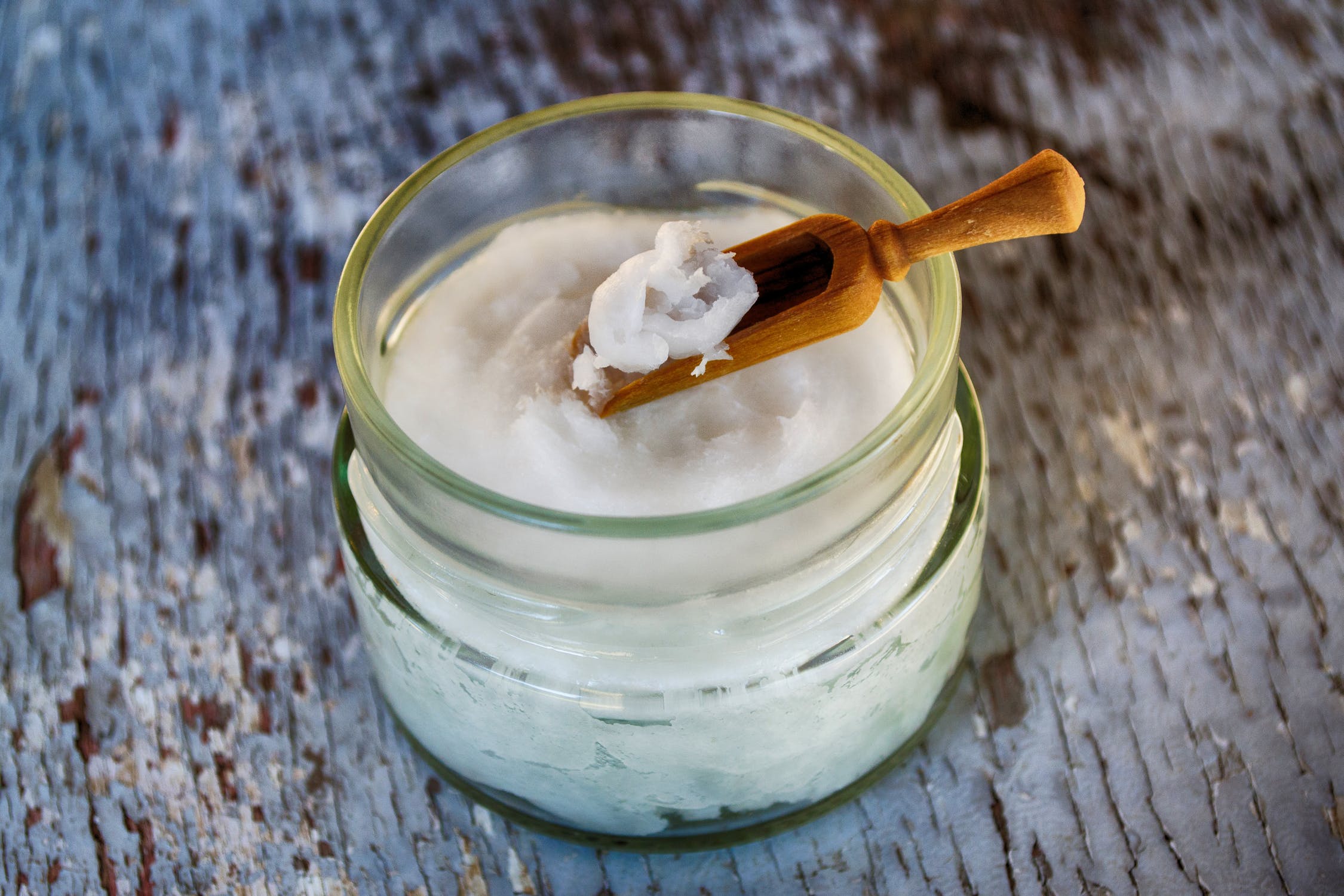
Source oils: Palm oil is the workhorse of the category: affordable, widely available, and a solid base to build on. But it rarely flies solo. Blending in palm kernel oil or coconut oil lifts the foam, softens the texture, and makes processing easier. Other oils, olive, shea, rapeseed, add narrative value and functional nuance.
Fat ratios: The 80:20 or 85:15 blend is standard. At Twincraft, a 75:25 ratio isn't unusual when you're aiming for a premium foam experience.
Manufacturing method: Two main routes: kettle saponification, the traditional method that retains natural glycerin and tends to throw fragrance beautifully; and fatty acid neutralization, a more modern approach that yields a whiter, more neutral base with cleaner foam and better cost efficiency. Neither is universally better; it depends on what you're optimizing for.
Claims: Sustainability is essentially table stakes now. Palm sourcing, vegan status, cruelty-free, gluten-free, know your brand's standards before you start narrowing options.
Foam: Arguably the most memorable part of the experience. Not all bases foam equally, and this is where innovation lives. Some bases push the boundaries by combining sodium hydroxide and potassium hydroxide, borrowing from liquid soap tech to create something genuinely next level.
The Takeaway
Base selection isn't a footnote in bar soap development, it's the foundation. Get clear on your naturalness standards, your price ceiling, your claims priorities, and your performance ambitions, and the right base starts to choose itself.